
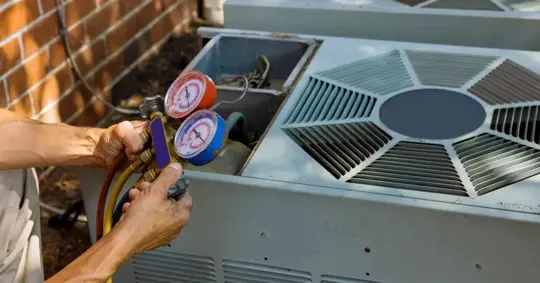
Spring in Logan County brings warmer days, blooming flowers, and the perfect opportunity to prepare your heating and cooling system for the busy season ahead. A simple tune-up now can prevent breakdowns during Oklahoma's hottest months, lower your energy bills, and help your system run smoothly all summer long.
Whether your air conditioner sat idle all winter or your heat pump worked overtime during cold snaps, a little maintenance goes a long way toward keeping your home comfortable.
Don't wait until the first heat wave to discover your AC isn't working! Schedule your spring HVAC tune-up today by calling (405) 442-4643 or requesting service online. Our team is ready to help Logan County homeowners get their systems ready for the warmer months ahead.
Why Spring Is the Perfect Time for HVAC Maintenance
Spring maintenance sets you up for success before summer heat arrives. Just like you wouldn't take a road trip without checking your car's oil and tires, you shouldn't enter cooling season without inspecting your HVAC system. Regular tune-ups catch small problems before they become expensive emergencies.
Here's what makes spring the ideal time for maintenance:
- Beat the rush: HVAC companies get busy once temperatures soar, so scheduling now means faster service and more flexible appointment times
- Test before you need it: You'll discover any issues while the weather is still mild, not during a 95-degree afternoon
- Improve efficiency: A well-maintained system uses less energy, which means lower utility bills throughout the summer
- Extend equipment life: Regular care helps your system last longer and delays costly replacement
Many Logan County homeowners wait until something breaks to call for help. Taking a proactive approach saves money and stress in the long run.
Check and Replace Your Air Filter
Your air filter is one of the hardest-working parts of your HVAC system. It traps dust, pollen, pet hair, and other particles before they circulate through your home. When filters get clogged, your system has to work harder to push air through, which wastes energy and can lead to breakdowns.
Spring is an excellent time to inspect your filter and start fresh for cooling season. Most filters should be changed every 1-3 months, depending on your home and lifestyle.
How to check your filter:
- Turn off your system at the thermostat
- Locate the filter (usually in a slot near the furnace or air handler, or behind a return vent)
- Remove the filter and hold it up to a light
- If you can't see light through it easily, it's time for a replacement
Homes with pets, allergies, or lots of dust may need more frequent filter changes. Keep a few spare filters on hand so you're never caught without one. This simple step improves air quality and protects your HVAC equipment from damage.
Inspect and Clean Your Outdoor Unit
Your outdoor condenser unit (the big box outside your home) needs attention after sitting through Oklahoma's winter weather. Leaves, dirt, grass clippings, and debris can build up around and inside the unit, blocking airflow and reducing efficiency.
Walk outside and take a look at your unit. Clear away any obvious debris, and make sure there's at least two feet of clearance on all sides. Trim back bushes, plants, or grass that have grown too close.
Basic outdoor unit care:
- Remove leaves, twigs, and debris from the top and sides
- Gently spray off dirt with a garden hose (don't use a pressure washer, which can damage delicate fins)
- Straighten any bent fins with a fin comb or butter knife
- Check that the unit sits level on its pad
While you can handle basic cleaning yourself, the inside of the unit contains coils and electrical components that benefit from professional attention. A technician can deep-clean coils, check refrigerant levels, and ensure everything operates safely.
Test Your Thermostat and Settings
Your thermostat is the brain of your HVAC system. If it's not working correctly, your whole system suffers. Spring is a great time to test your thermostat and make sure it's ready for cooling season.
Start by switching your thermostat from "heat" to "cool" and lowering the temperature a few degrees below the current room temperature. Listen for the system to kick on within a few minutes. If nothing happens, check the batteries (if applicable) and your circuit breaker.
Consider these thermostat tips for spring:
- Update your schedule: If you programmed your thermostat for winter hours, adjust it for spring and summer routines
- Check accuracy: Place a separate thermometer near your thermostat to verify it's reading the correct temperature
- Upgrade if needed: Older thermostats can drift out of calibration over time, and a new programmable or smart thermostat can save energy
A properly functioning thermostat helps maintain consistent comfort and prevents your system from overworking.
Clean Indoor Vents and Registers
Dust and debris don't just collect in your filter—they also build up in your vents and registers throughout your home. Blocked vents restrict airflow, making some rooms too warm while others stay cool. This imbalance forces your system to run longer and work harder.
Take a walk through your home and inspect each vent and return air grille. Remove the vent covers and vacuum out any dust or debris you can reach. Wipe down the covers with a damp cloth before putting them back.
Vent maintenance checklist:
- Remove and vacuum all supply vents (the ones that blow air into rooms)
- Clean return air grilles (the larger vents that pull air back to the system)
- Make sure furniture, curtains, or rugs aren't blocking vents
- Listen for any rattling or loose covers that need tightening
Clean vents improve air quality and help your system distribute air evenly throughout your home. This simple task takes less than an hour but makes a noticeable difference in comfort.
Inspect Ductwork for Leaks
Your ductwork carries cooled air from your system to every room in your home. When ducts develop leaks, cracks, or loose connections, you lose cooled air before it reaches your living spaces. This wastes energy and makes your system run longer to reach the desired temperature.
If you have accessible ductwork in your attic, basement, or crawl space, take a quick look for obvious problems. Feel along joints and seams for air escaping while your system runs.
Signs of duct problems:
- Visible gaps or disconnected sections
- Rooms that never seem to get cool enough
- Unusually high energy bills
- Excessive dust in certain rooms
While you can seal small leaks with metal-backed tape (not regular duct tape, which doesn't last), larger issues require professional AC repair. Properly sealed ductwork can improve efficiency by 20% or more.
Check Condensate Drain Line
Your air conditioner removes humidity from the air as it cools. This moisture collects in a drain pan and exits through a condensate drain line—usually a PVC pipe near your indoor unit. When this drain line gets clogged with algae, mold, or debris, water backs up and can damage your home or shut down your system.
Locate your condensate drain line and check for standing water in the drain pan. A dry pan is a good sign. If you see water, the line may be clogged.
Simple drain line maintenance:
- Find the drain line's access point (usually a T-shaped vent)
- Pour a cup of white vinegar or a mixture of bleach and water down the line
- Let it sit for 30 minutes to kill algae and clear buildup
- Flush with a gallon of clean water
This preventive step takes just a few minutes and can prevent water damage and emergency shutdowns during peak cooling season.
Consider Professional Heat Pump Maintenance
If your home has a heat pump instead of a traditional air conditioner and furnace, it needs special attention. Heat pumps work year-round to both heat and cool your home, which means they accumulate more wear than systems that only run part of the year.
Professional heat pump maintenance includes checking refrigerant levels, testing the reversing valve that switches between heating and cooling, and inspecting electrical connections. These tasks require specialized knowledge and tools that go beyond basic homeowner maintenance.
What professionals check during heat pump service:
- Refrigerant charge and leak detection
- Reversing valve operation
- Defrost cycle functionality
- Electrical connections and controls
- Indoor and outdoor coil condition
Logan County's temperature swings put extra stress on heat pumps. Professional maintenance ensures your system handles both late-season cold snaps and early summer heat waves without problems.
Schedule Your Spring HVAC Tune-Up Today
A spring tune-up checklist helps you tackle basic maintenance tasks on your own, but professional service takes your system's performance to the next level. Technicians have the training, tools, and experience to spot problems you might miss and optimize your system for peak efficiency.
Don't let a small issue turn into a major breakdown when you need your air conditioner most. Contact Air It Out Heating & Cooling at (405) 442-4643 or schedule service online to get your Logan County home ready for spring and summer. Our team will make sure your HVAC system is clean, efficient, and ready to keep you comfortable all season long.